
Assimilation and American Identity
West Side StoryThis flow traces competing ideas of who belongs in America through Maria's aspiration, Bernardo's exclusion, and the gangs' ethnic labels.
increasing Bearing strength in each event
 decreasing
Bearing strength in each eventdecreasingMaria's Aspiration
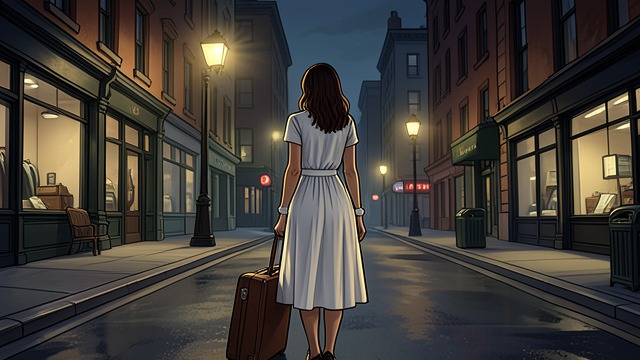
Maria's Aspiration
Wanting to Belong
Maria Nunez looks over New York and longs to speak English like Americans. She imagines the city as a place where she might begin a new life beyond the poverty she remembers from Puerto Rico.
The Cost of Assimilation
Her wish suggests hope, but it also reflects pressure to distance herself from language and culture. Belonging seems to require becoming legible to the society around her.
Bernardo's Exclusion
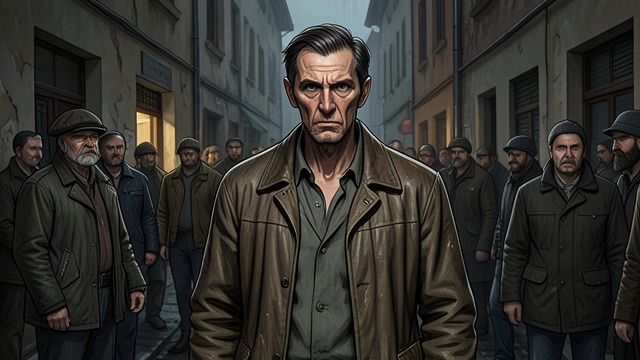
Bernardo's Exclusion
No Place to Stand
Bernardo feels that the city refuses to give him room or a future he can value. He understands the hostility directed at Puerto Ricans through personal vulnerability as well as communal pride.
Resistance Turns Inward
Instead of finding security through shared belonging, he responds by separating his group from the Americans. His anger resists exclusion even as it repeats the division that excludes him.
Labels at the Dance
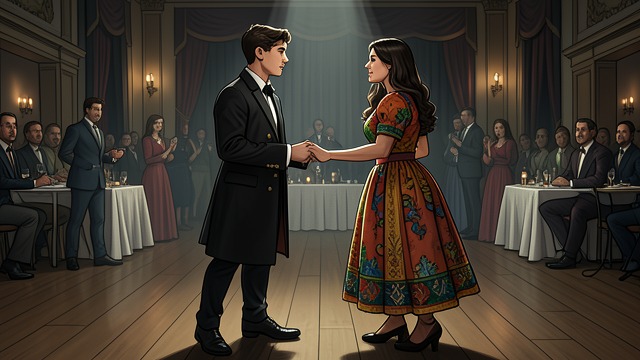
Labels at the Dance
Social Categories
The dance hall divides the young people into rival groups whose members read one another through ethnic labels. Tony Wyzek is called Polish, while Maria Nunez is treated as a Puerto Rican girl first.
Encounter Across the Line
Their attraction unsettles those categories, but Bernardo interprets it through suspicion. The response shows how social identity can become a rule enforced on individuals.
Maria's Inclusive Claim
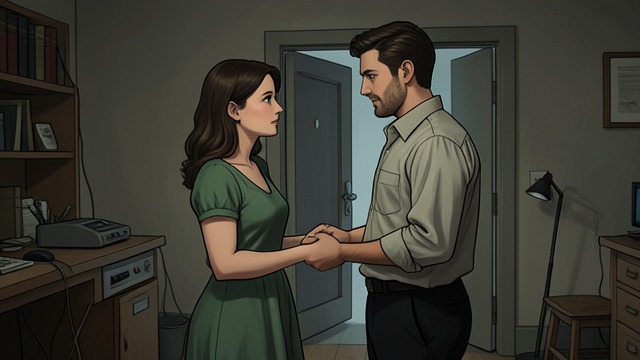
Maria's Inclusive Claim
A Different Definition
Maria argues that Tony is American because he was born there, and that even an immigrant belongs if he chooses to make a life there. She refuses to make birthplace a boundary of human worth.
A Moral Alternative
Her claim offers a more generous vision of national identity than either gang accepts. It remains vulnerable because it is expressed between people who cannot control the surrounding violence.
The Dream's Failure
The Dream's Failure
A Private Hope Destroyed
Tony Wyzek and Maria Nunez imagine marriage and a future together, but their lives are ended or broken by violence shaped partly by ethnic suspicion. Their love cannot secure the welcome or safety the city promises.
Unequal Continuity
New York City continues after their deaths. The American Dream remains an aspiration, but the story exposes the distance between its promise of refuge and the exclusion experienced by newcomers.
On the rooftop before the dance
Before the dance
At the municipal dance
On the rooftop after the dance
At the ending
